
The betrayal ends. The abuse ends. The accident ends. The loss occurs. Years pass. Life appears to move forward.
Yet something remains broken beneath the surface. For some, that brokenness appears in relationships. For others, it appears in anxiety, fear, anger, or emotional numbness.
For many believers, however, the deepest wound emerges in a place they never expected: their relationship with Allah.
They still pray. They still attend the masjid. They still recite Qur'an. Yet something feels different. The closeness they once experienced seems distant. The certainty they once possessed feels shaken.
Questions emerge that they are often afraid to voice aloud: Why did Allah allow this to happen? Where was Allah when I needed help? Why was I not protected? Am I being punished? Does Allah care about what happened to me?
These questions are far more common than many people realize. And contrary to what some assume, having these struggles does not necessarily indicate weak faith. Often it indicates a wounded heart.
﴿أَفَلَمْ يَسِيرُوا فِي الْأَرْضِ فَتَكُونَ لَهُمْ قُلُوبٌ يَعْقِلُونَ بِهَا﴾
"Have they not traveled through the land so that they may have hearts by which they reason?"
Surah Al-Hajj 22:46
Allah repeatedly directs our attention to the heart because it is more than an emotional center. It is the place through which we perceive, understand, love, fear, hope, and respond to our Lord. When the heart is wounded, the effects extend far beyond emotions. They influence how a person interprets life itself.
Trauma Changes More Than Memory
The experience becomes a lens. And if trauma can alter how a person sees themselves and other people, it should not surprise us that it can also influence how they see Allah.
Many people think trauma is simply remembering something painful. In reality, trauma often changes the way a person interprets the world. A child repeatedly abandoned may grow into an adult who expects abandonment. A person betrayed by someone they trusted may become suspicious of everyone around them. A person exposed to chronic instability may begin seeing danger where no danger exists.
The event ends. The interpretation remains. The experience becomes a lens.
The wounded heart sometimes projects its injuries onto its understanding of its Creator.
Ibn al-Qayyim رحمه الله frequently described the heart as something that can become healthy, diseased, weakened, or strengthened. Just as an injury to the eye affects sight, an injury to the heart affects perception. Many people believe they are seeing reality clearly when they are actually seeing life through the lens of old pain.
﴿فَإِنَّهَا لَا تَعْمَى الْأَبْصَارُ وَلَٰكِن تَعْمَى الْقُلُوبُ الَّتِي فِي الصُّدُورِ﴾
"Indeed, it is not the eyes that become blind, but the hearts within the chests that become blind."
Surah Al-Hajj 22:46
In what ways might past pain be shaping the lens through which I currently see Allah?
When Pain Becomes Theology
A person may never consciously say: "Allah has abandoned me." Yet they may begin living as though He has.
A person may never consciously say: "Allah has abandoned me." Yet they may begin living as though He has. Another may never openly declare: "Allah cannot be trusted." Yet they struggle to surrender control because deep down they fear what will happen if they do.
Others begin viewing Allah primarily through the lens of punishment, rejection, and anger. The trauma itself may have involved another human being. But the wound slowly begins shaping how the individual interprets Allah.
The injury does not remain confined to the original event. It begins spreading into every area of life — including faith.
One of Shaytan's greatest objectives is to corrupt the servant's perception of Allah. Pain often becomes fertile ground for whispers, assumptions, and conclusions that were never based upon revelation.
﴿وَقَالَ الشَّيْطَانُ لَمَّا قُضِيَ الْأَمْرُ إِنَّ اللَّهَ وَعَدَكُمْ وَعْدَ الْحَقِّ﴾
"And Shaytan will say when the matter has been decided: Indeed Allah promised you the promise of truth..."
Surah Ibrahim 14:22
Have I formed conclusions about Allah based on what people did to me — rather than on what Allah has revealed about Himself?
The Question Many Believers Are Afraid to Ask
The question itself is not the problem. The problem is assuming we already know the answer.
One of the most common questions trauma creates is: "Why did Allah allow this to happen?" Many believers feel guilty for asking this question. Yet the question itself is not the problem. Human beings naturally seek meaning in suffering. The Qur'an repeatedly invites reflection upon hardship.
The problem is assuming we already know the answer. When pain enters the heart, the ego often rushes to interpret it: "Allah must hate me." "I am being punished." "I have been abandoned." These conclusions frequently emerge from pain rather than knowledge.
The wounded heart begins speaking as though it possesses complete understanding of Allah's wisdom. But human beings see only a fragment of reality. Allah sees all of it.
﴿لَا يُكَلِّفُ اللَّهُ نَفْسًا إِلَّا وُسْعَهَا﴾
"Allah does not burden a soul beyond its capacity."
Surah Al-Baqarah 2:286
This verse does not remove the pain of suffering. But it reminds us that every hardship occurs within the knowledge, wisdom, and decree of Allah. What overwhelms us emotionally never escapes the awareness of the One who created us.
What conclusions about Allah have I drawn from my pain — and have I ever examined whether they are actually true?
Trauma and Distrust
The heart knows the correct answers. The wound has not yet learned them.
One of the greatest injuries trauma creates is distrust. The betrayed person struggles to trust. The abandoned person struggles to trust. The abused person struggles to trust. Trust was damaged.
The difficulty is that the human mind often generalizes. If enough people have hurt us, we may begin expecting everyone to hurt us — including Allah. This usually happens unconsciously. The individual may continue practicing Islam while carrying hidden assumptions: No one protects me. No one comes through for me. I am on my own.
These beliefs may have originated from painful human experiences, but they slowly influence the believer's relationship with Allah. The issue is not always theological. Often it is emotional.
The heart knows the correct answers. The wound has not yet learned them.
«أَنَا عِنْدَ ظَنِّ عَبْدِي بِي»
"I am as My servant thinks of Me."
Sahih al-Bukhari and Sahih Muslim — Hadith Qudsi
Healing therefore involves more than recovering from what happened. It involves correcting what the wound taught us about Allah.
What hidden assumptions about Allah might I be carrying — assumptions that came from people rather than from revelation?
The Difference Between Faith and Feelings
A believer may feel distant from Allah while Allah remains near. The feeling is real. The conclusion may not be.
One of the most important lessons in recovery is understanding that feelings are real, but they are not always reliable. A traumatized person may feel unsafe while being completely safe. A grieving person may feel abandoned while being deeply loved. A fearful person may feel hopeless while genuine hope remains present.
Likewise, a believer may feel distant from Allah while Allah remains near. The feeling is real. The conclusion may not be. Many people assume that because they feel abandoned, they have been abandoned. Because they feel forgotten, they have been forgotten. Because they feel distant, Allah must be distant.
﴿وَنَحْنُ أَقْرَبُ إِلَيْهِ مِنْ حَبْلِ الْوَرِيدِ﴾
"And We are closer to him than his jugular vein."
Surah Qaf 50:16
Our feelings fluctuate. His nearness does not. Our emotions change. His mercy remains.
Am I confusing a feeling of distance from Allah with the reality of His nearness?
The Example of the Prophets
Pain itself was never evidence of Allah's absence. Nor was suffering evidence of divine abandonment.
One reason the stories of the Prophets are so important is that they teach us what suffering actually looks like. Prophet Ya'qub lost Yusuf. Prophet Yusuf was betrayed by his brothers. Prophet Musa lived under threat. Prophet Ayyub endured prolonged suffering. Prophet Muhammad ﷺ buried children, lost loved ones, endured persecution, rejection, and grief.
Pain itself was never evidence of Allah's absence. Nor was suffering evidence of divine abandonment. Some of the people most beloved to Allah experienced the greatest tests.
﴿وَابْيَضَّتْ عَيْنَاهُ مِنَ الْحُزْنِ فَهُوَ كَظِيمٌ﴾
"And his eyes became white from grief, for he was suppressing his sorrow."
Surah Yusuf 12:84 — of Prophet Ya'qub عليه السلام
Yet despite his immense grief, Ya'qub عليه السلام never abandoned Allah. Instead he declared:
﴿إِنَّمَا أَشْكُو بَثِّي وَحُزْنِي إِلَى اللَّهِ﴾
"I only complain of my suffering and my grief to Allah."
Surah Yusuf 12:86
This is one of the greatest lessons in emotional healing. Faith does not require the absence of grief. Faith teaches us where grief should ultimately be carried.
Which Prophet's story of suffering speaks most to what I am carrying — and what did they do with their pain?
Ibn al-Qayyim and the Healing of the Heart
Healing begins when truthfulness begins. The believer stops pretending. Stops performing. Stops hiding. And brings the pain directly before Allah.
Ibn al-Qayyim frequently wrote that the heart can become ill just as the body becomes ill. It can weaken. It can become hardened. It can become diseased. It can become healthy again.
Healing requires honesty. The wounded heart must first acknowledge its condition. Many people spend years pretending they are fine. Others hide behind religious language — they quote verses, repeat phrases, offer advice to others — yet never confront their own wounds.
Healing begins when truthfulness begins. The believer stops pretending. Stops performing. Stops hiding. And brings the pain directly before Allah — not because Allah does not know, but because the servant finally becomes honest enough to acknowledge it.
«أَلَا وَإِنَّ فِي الْجَسَدِ مُضْغَةً إِذَا صَلَحَتْ صَلَحَ الْجَسَدُ كُلُّهُ وَإِذَا فَسَدَتْ فَسَدَ الْجَسَدُ كُلُّهُ أَلَا وَهِيَ الْقَلْبُ»
"Indeed, there is a piece of flesh in the body. If it is sound, the whole body is sound. If it is corrupted, the whole body is corrupted. Verily, it is the heart."
Sahih al-Bukhari and Sahih Muslim
Trauma is not merely a psychological event. Its effects often penetrate into the heart itself, influencing trust, hope, perception, and one's relationship with Allah.
What am I still hiding — from myself, from others, or from Allah — about the pain I carry?
Returning to Allah After Trauma
Healing ultimately begins when the heart stops interpreting Allah through the trauma and starts interpreting the trauma through Allah.
The goal is not to erase the memory. The goal is not to pretend the trauma never happened. The goal is to prevent the trauma from becoming the defining lens through which life is viewed.
The believer learns to distinguish between what happened and what is true. What happened may have been betrayal — but betrayal is not Allah. What happened may have been abandonment — but abandonment is not Allah. What happened may have been injustice — but injustice is not Allah.
The wound may explain your struggle. It does not define your Lord.
Allah never promised a life free from hardship. He promised guidance through hardship. He promised His companionship to those who remain patient. He promised that ease accompanies difficulty.
﴿فَإِنَّ مَعَ الْعُسْرِ يُسْرًا إِنَّ مَعَ الْعُسْرِ يُسْرًا﴾
"Indeed, with hardship comes ease. Indeed, with hardship comes ease."
Surah Ash-Sharh 94:5–6
Notice that Allah did not say after hardship. He said with hardship. Even in the midst of pain, His mercy, guidance, and opportunities for growth remain present.
Healing ultimately begins when the heart stops interpreting Allah through the trauma and starts interpreting the trauma through Allah. The event may never fully disappear from memory. The scar may remain. But the heart slowly discovers something remarkable: the same Allah who witnessed the wound is also the One who heals it.
And often the journey back to Him becomes one of the greatest forms of healing the heart will ever experience.
- Trauma can affect a believer's relationship with Allah — not through conscious theology, but through the emotional lens the wound creates.
- The wounded heart sometimes projects its injuries onto its understanding of its Creator. This is not weak faith — it is a wounded heart.
- Feelings of distance from Allah are real, but they are not always reliable indicators of reality. His nearness does not fluctuate with our emotions.
- The question "Why did Allah allow this?" is not the problem. The problem is assuming we already know the answer — and allowing pain to become theology.
- The stories of the Prophets teach us that pain is not evidence of Allah's absence. Some of the most beloved servants of Allah experienced the greatest tests.
- Healing begins when the heart stops interpreting Allah through the trauma and starts interpreting the trauma through Allah.
- The same Allah who witnessed the wound is also the One who heals it.
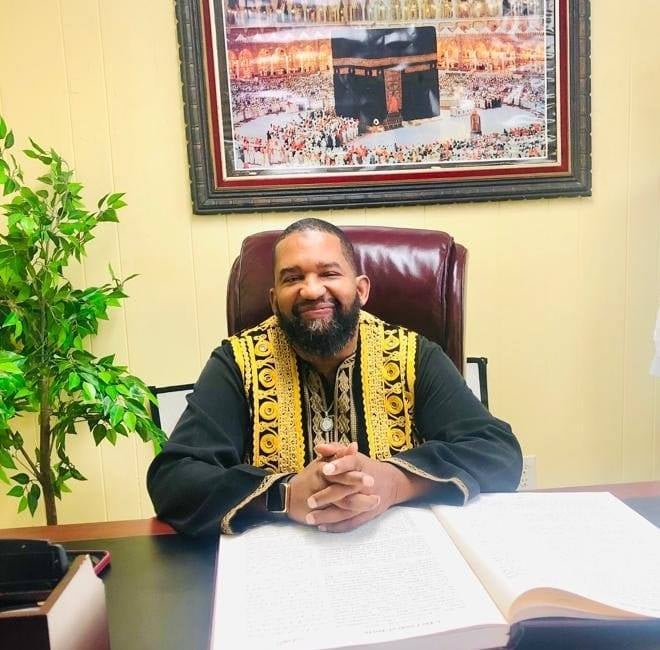
Written by
Imam Tariq Abdur-Rashid
MS, LSW, CPS
Imam Tariq Abdur-Rashid is a Licensed Social Worker, Certified Peer Specialist, and Islamic Teacher & Counselor with decades of experience in addiction recovery, trauma, grief, and spiritual growth. He integrates classical Islamic scholarship with professional clinical training to offer guidance that addresses the whole person — heart, mind, and soul.
Seeking personal guidance?
Imam Tariq Abdur-Rashid offers individual, couples, and family counseling sessions.
Book a SessionCommon Questions
Frequently Asked Questions
Can trauma affect your relationship with Allah?
Yes. Trauma can alter how a person perceives Allah — not always through conscious theology, but through the emotional lens the wound creates. A person who was abandoned may unconsciously begin expecting Allah to abandon them. These are not signs of weak faith. They are signs of a wounded heart.
Why do I feel distant from Allah after trauma?
Feelings of distance from Allah after trauma are extremely common among believers. The heart has been wounded — and a wounded heart often interprets reality differently. Allah says: "And We are closer to him than his jugular vein." (Qur'an 50:16) A believer may feel distant while Allah remains near. Feelings are real, but they are not always reliable indicators of reality.
Is it wrong to ask why Allah allowed something painful to happen?
No. The question itself is not the problem. Human beings naturally seek meaning in suffering, and the Qur'an repeatedly invites reflection upon hardship. The danger is in assuming we already know the answer — and allowing pain to generate conclusions about Allah that were never based upon revelation.
What does Islam say about feeling abandoned by Allah?
Islam teaches that Allah never abandons His servants. The feeling of abandonment is real, but the conclusion is not. The Prophets themselves experienced profound grief and suffering — yet none of them were abandoned. Pain is not evidence of Allah's absence.
How do you heal your relationship with Allah after trauma?
Healing begins when the heart stops interpreting Allah through the trauma and starts interpreting the trauma through Allah. This requires honesty — acknowledging the wound, examining what it taught us about our Creator, and bringing that pain directly before Allah.
Continue Reading
Related Articles
Trauma & Healing
Trauma and the Heart: How Emotional Wounds Shape the Way We See Ourselves, Others, and Allah
Trauma is not the event itself — it is what remains after the event has passed.
Trauma & Healing
Understanding Trauma Through an Islamic Lens
Islam does not ask us to pretend we are not wounded. It asks us to bring our wounds to the One who heals.
Trauma & Healing
When Grief Becomes a Spiritual Crisis
Sometimes loss does not just break the heart — it shakes the foundations of faith.
Diseases of the Heart
What Is a Diseased Heart?
The Qur'an speaks of the heart more than any other organ. Understanding what it means for the heart to be diseased is the first step toward healing.
Grief, Loss & Suffering
The Islamic Understanding of Grief
Grief is not a sign of weak faith. It is a sign of a heart that loved.
Mental Health, Meaning & the Heart
Depression Through an Islamic Lens
Depression is real, it is serious, and it is not a punishment from Allah.