
The Prophet ﷺ wept at the death of his son Ibrahim. He did not suppress his grief — he expressed it with full humanity while remaining anchored in his trust in Allah.
When the Prophet ﷺ's infant son Ibrahim died, he wept. His companions were surprised — was it appropriate for the Prophet to weep? He responded: "The eyes shed tears and the heart grieves, and we will not say except what pleases our Lord. And indeed, O Ibrahim, we are grieved by your departure." (Bukhari)
This moment is one of the most important in the Islamic tradition for understanding grief. The Prophet ﷺ — the most spiritually advanced human being who ever lived — wept at the death of his child. He did not suppress his grief in the name of tawakkul. He did not perform patience while his heart remained untouched. He grieved fully, humanly, and with complete trust in Allah simultaneously.
"The eyes shed tears and the heart grieves, and we will not say except what pleases our Lord." — Prophet Muhammad ﷺ at the death of his son Ibrahim (Bukhari)
This is the Islamic model of grief: not the suppression of emotion in the name of faith, but the full expression of human feeling within the container of iman.
The Qur'an acknowledges grief directly. It speaks of the Prophet Ya'qub weeping so much for Yusuf that he lost his sight. It speaks of the Prophet Muhammad ﷺ being described as "grieved" by the rejection of his people. Grief is not treated as a spiritual failure — it is treated as a human reality that faith must hold, not eliminate.
What Islam provides for grief is not the absence of pain but the presence of meaning. The believer who loses someone they love knows that the loss is not random, that the deceased is in the hands of Allah, that the separation is temporary, and that the pain they feel is itself a form of love that Allah honors.
Grief also has a communal dimension in Islam. The tradition of visiting the bereaved, of sitting with them in their loss, of making du'a for the deceased — these practices are not merely social customs. They are a recognition that grief is not meant to be carried alone.
For those whose grief has become complicated — who are stuck, who cannot move forward, who find that the loss has shaken their faith — Islamic counseling can provide the support needed to move through the grief without losing either their humanity or their connection to Allah.
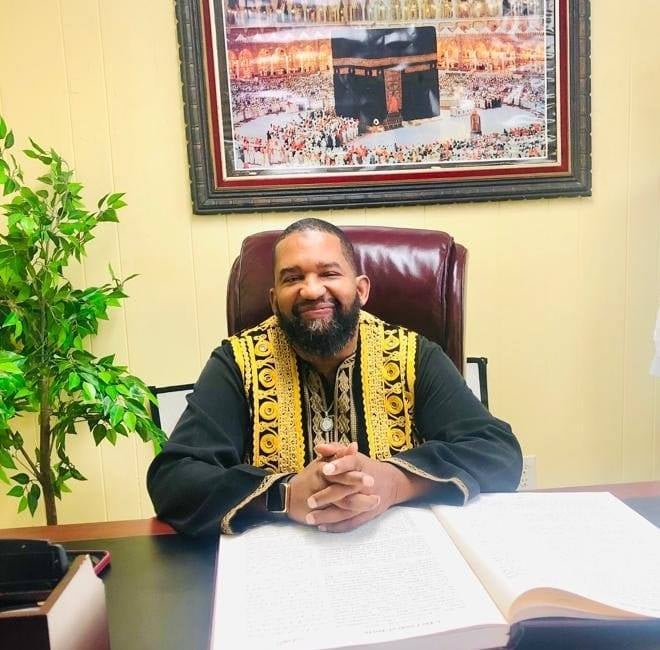
Imam Tariq Abdur-Rashid
MS, LSW, CPS
Licensed Social Worker, Certified Peer Specialist, and Islamic Teacher & Counselor with decades of experience in addiction recovery, trauma, grief, and spiritual growth.
Learn moreSeeking personal guidance?
Imam Tariq Abdur-Rashid offers individual, couples, and family counseling sessions.
Book a SessionContinue Reading