
Many people think trauma is something that happened in the past. A painful childhood. A betrayal. An accident. The loss of a loved one. Abuse. Neglect. Violence. Addiction within the family.
But trauma is often not the event itself. Trauma is what remains after the event has passed.
Trauma is what remains after the event has passed.
The wound may have occurred years ago, yet its effects continue to influence how a person thinks, feels, reacts, trusts, loves, fears, and even worships. A person may leave the scene of the injury while the injury itself continues to live inside of them.
This is why two people can experience the same event and emerge very differently. One may heal and move forward while another remains trapped in the emotional aftermath for years. The difference is not always the severity of the event. It is often the condition of the heart after the event.
﴿أَفَلَمْ يَسِيرُوا فِي الْأَرْضِ فَتَكُونَ لَهُمْ قُلُوبٌ يَعْقِلُونَ بِهَا﴾
"Have they not traveled through the land so that they may have hearts by which they reason?"
Surah Al-Hajj 22:46
Allah reminds us that the heart is not merely an emotional organ but the center of human perception and understanding. Trauma often leaves its deepest marks upon the heart because it affects the very place through which human beings interpret reality.
What Trauma Actually Does
The heart remains imprisoned by a moment that has already passed.
Trauma changes the way a person interprets the world. The individual who has been betrayed may begin expecting betrayal everywhere. The individual who was abandoned may fear every relationship ending. The person who was humiliated may become hypervigilant toward criticism. The person who experienced chaos may seek excessive control.
What began as a survival response slowly becomes a way of life. The nervous system remains prepared for a danger that no longer exists. The mind remains occupied by threats that are no longer present. The heart remains imprisoned by a moment that has already passed.
Many people believe they are reacting to what is happening now when in reality they are reacting to what happened years ago.
The argument with a spouse is no longer just an argument. The criticism from a coworker is no longer just criticism. The delayed text message is no longer just a delayed response. Past wounds become lenses through which present experiences are interpreted.
This is one of the reasons trauma can be so difficult to recognize. The person often believes they are seeing reality clearly while unknowingly viewing life through the filters of old pain.
﴿فَإِنَّهَا لَا تَعْمَى الْأَبْصَارُ وَلَٰكِن تَعْمَى الْقُلُوبُ الَّتِي فِي الصُّدُورِ﴾
"Indeed, it is not the eyes that become blind, but the hearts within the chests that become blind."
Surah Al-Hajj 22:46
Ibn al-Qayyim frequently compared diseases of the heart to diseases of the body. Just as an injury to the eye affects sight, an injury to the heart affects perception. A wounded heart often interprets reality differently than a healthy one.
What painful experience still influences how I interpret people today?
Trauma Is Not Weakness
The strongest people can carry the deepest wounds.
One of the greatest misconceptions about trauma is that it only affects weak people. Nothing could be further from the truth. Trauma is not evidence of weakness. It is evidence that something significant happened to a human being. The strongest people can carry the deepest wounds.
Prophets experienced grief. Believers experienced loss. The righteous experienced betrayal. Even the most resilient hearts can be injured by difficult experiences.
﴿وَابْيَضَّتْ عَيْنَاهُ مِنَ الْحُزْنِ فَهُوَ كَظِيمٌ﴾
"And his eyes became white from grief, for he was suppressing his sorrow."
Surah Yusuf 12:84 — of Prophet Ya'qub عليه السلام
Pain was never a sign of weak faith. The question is not whether grief enters the heart, but how the heart responds once it arrives. Did it become a teacher or a prison? Did it deepen wisdom or deepen bitterness? Did it bring a person closer to Allah or further from Him?
Have I confused something that happened to me with who I am?
When Trauma Begins Shaping Identity
The wound becomes a personality. The scar becomes a worldview.
One of the most dangerous effects of trauma occurs when a person begins confusing what happened to them with who they are. A person who was rejected begins identifying as unworthy. A person who was abused begins identifying as damaged. A person who experienced failure begins identifying as a failure. A person who was abandoned begins identifying as unlovable.
The event becomes an identity. The wound becomes a personality. The scar becomes a worldview.
This transformation often happens gradually and without conscious awareness. The individual no longer says: "I experienced pain." Instead they begin living as though: "I am pain."
This is one of the greatest deceptions trauma produces. Human beings are always greater than the experiences they have survived. The injury is real. The suffering is real. But the wound is not the entirety of the person.
What story have I been telling myself about who I am because of what happened to me?
Trauma and the Spiritual Heart
Pain that was never brought honestly before Allah.
Among the most neglected conversations in modern discussions of trauma is the condition of the spiritual heart. Many approaches focus exclusively on behavior, emotions, or cognition. These dimensions matter. Yet the heart remains central.
The Qur'an repeatedly directs attention toward the heart because it is the center from which perception, intention, love, fear, hope, and meaning emerge. When the heart is wounded, the entire person is affected.
A traumatic experience can alter how someone sees themselves. It can also alter how they see Allah.
Some people begin asking: "Why did Allah allow this?" "Does Allah care about me?" "Am I being punished?" "Why wasn't I protected?" Others continue practicing Islam externally while carrying deep internal confusion. Their prayers remain. Their fasting remains. Their attendance remains. Yet beneath the surface they are wrestling with questions they have never spoken aloud.
These struggles do not necessarily indicate weak faith. Often they indicate unresolved pain — pain that was never properly understood, never properly processed, never brought honestly before Allah.
﴿إِنَّمَا أَشْكُو بَثِّي وَحُزْنِي إِلَى اللَّهِ﴾
"I only complain of my suffering and my grief to Allah."
Surah Yusuf 12:86 — Prophet Ya'qub عليه السلام
Faith does not require the absence of pain. Faith teaches us where pain should ultimately be taken.
What conclusions about Allah might I have drawn from my pain — and are they true?
Ibn al-Qayyim and the Diseases of the Heart
The believer learns how to suffer without being destroyed by suffering.
Ibn al-Qayyim frequently described the heart as something that could become healthy, diseased, weakened, hardened, or healed. Just as physical injuries require treatment, spiritual injuries require treatment as well. Ignoring a wound does not heal it. Pretending a wound does not exist does not heal it. Covering a wound with religious language does not heal it.
Many people engage in what might be called spiritual bypassing — using religious phrases to avoid emotional realities.
They say: "Everything happens for a reason." "Just have sabr." "Move on." "Allah knows best." While these statements may be true, they can become dangerous when used to avoid confronting genuine pain. The heart cannot heal from wounds it refuses to acknowledge. Truthfulness is often the beginning of recovery.
The believer does not deny suffering. The believer learns how to suffer without being destroyed by suffering.
«عَجَبًا لِأَمْرِ الْمُؤْمِنِ»
"How amazing is the affair of the believer. If something pleasing happens to him, he is grateful and that is good for him. If hardship befalls him, he is patient and that is good for him."
Sahih Muslim
The believer is not protected from suffering. The believer is protected from suffering becoming meaningless.
Have I been using religious language to avoid confronting something I need to honestly face?
Signs That Trauma May Still Be Affecting You
Symptoms are not enemies. Symptoms are messengers.
Trauma manifests differently in different people. Some common signs include:
- Persistent anxiety or hypervigilance
- Difficulty trusting others
- Fear of abandonment
- Emotional numbness
- Excessive people pleasing
- Chronic anger
- Self-sabotaging behaviors
- Difficulty experiencing joy
- Feeling disconnected from Allah
- Repeatedly finding yourself in unhealthy relationships
- Intense reactions that seem larger than the situation itself
Trauma can distort a person's perception of Allah. The wound created by people may unconsciously become projected onto one's relationship with the Creator.
﴿وَنَحْنُ أَقْرَبُ إِلَيْهِ مِنْ حَبْلِ الْوَرِيدِ﴾
"And We are closer to him than his jugular vein."
Surah Qaf 50:16
A believer may feel distant from Allah while Allah remains near. Feelings are real, but they are not always reliable indicators of reality. These signs do not necessarily mean a person is weak. They often indicate that a wound remains unhealed. Symptoms are not enemies. Symptoms are messengers — invitations to investigate what the heart may still be carrying.
What might my reactions be trying to tell me about what I am still carrying?
Healing Begins With Honest Recognition
A person cannot heal what they refuse to name.
The first step toward healing is rarely a solution. The first step is recognition. Many people spend years trying to solve problems they have never accurately identified. A person cannot heal what they refuse to name.
The believer must be willing to ask difficult questions: What am I carrying? What am I afraid of? What story have I been telling myself? How has this experience shaped the way I see others? How has it shaped the way I see Allah? What am I still grieving?
«أَنَا عِنْدَ ظَنِّ عَبْدِي بِي»
"I am as My servant thinks of Me."
Sahih al-Bukhari and Sahih Muslim — Hadith Qudsi
Part of healing involves examining what trauma has taught us about ourselves, other people, and even about Allah. Not every conclusion reached during pain is true.
What am I still grieving that I have never fully allowed myself to acknowledge?
The Path Forward
The heart that returns to Allah can find a strength it never knew it possessed.
Recovery does not mean forgetting what happened. Recovery does not mean pretending the wound never existed. Recovery means no longer allowing the wound to govern your life. It means learning to distinguish the past from the present. It means learning to recognize when old injuries are influencing current reactions. It means rebuilding trust where trust has been lost. It means replacing distorted beliefs with truth.
Most importantly, it means returning the heart to its Creator.
Because while people may disappoint us, Allah never abandons His servants. While people may misunderstand us, Allah knows every hidden struggle. While people may fail to see our wounds, Allah sees every tear, every fear, every silent battle.
﴿فَإِنَّ مَعَ الْعُسْرِ يُسْرًا إِنَّ مَعَ الْعُسْرِ يُسْرًا﴾
"Indeed, with hardship comes ease. Indeed, with hardship comes ease."
Surah Ash-Sharh 94:5–6
Notice that Allah did not say after hardship. He said with hardship. Even in the midst of suffering, His mercy, guidance, and opportunities for growth remain present.
The goal is not merely to become functional again. The goal is to become whole — to emerge from suffering with greater wisdom, greater self-awareness, greater compassion, greater dependence upon Allah.
The wound may become part of your story. But it was never meant to become your identity. Trauma may explain where you are. It does not have to determine where you go next.
«أَلَا وَإِنَّ فِي الْجَسَدِ مُضْغَةً ... أَلَا وَهِيَ الْقَلْبُ»
"Indeed, there is a piece of flesh in the body. If it is sound, the whole body is sound. If it is corrupted, the whole body is corrupted. Verily, it is the heart."
Sahih al-Bukhari and Sahih Muslim
Trauma is not merely a psychological wound. Its effects often penetrate into the heart itself, influencing trust, hope, perception, and one's relationship with Allah. Healing therefore requires more than symptom management. It requires care for the heart.
The heart that was wounded can heal. The heart that was broken can recover. And the heart that returns to Allah can find a strength it never knew it possessed.
- Trauma is not the event itself — it is what remains in the heart after the event has passed.
- Trauma is not evidence of weakness. The strongest people can carry the deepest wounds.
- When a person confuses what happened to them with who they are, the wound becomes an identity — and that is one of trauma's greatest deceptions.
- Spiritual bypassing — using religious language to avoid emotional reality — prevents genuine healing.
- Symptoms are messengers, not enemies. They invite us to investigate what the heart is still carrying.
- Healing begins with honest recognition. A person cannot heal what they refuse to name.
- The goal is not merely to become functional again — it is to become whole, and to return the heart to its Creator.
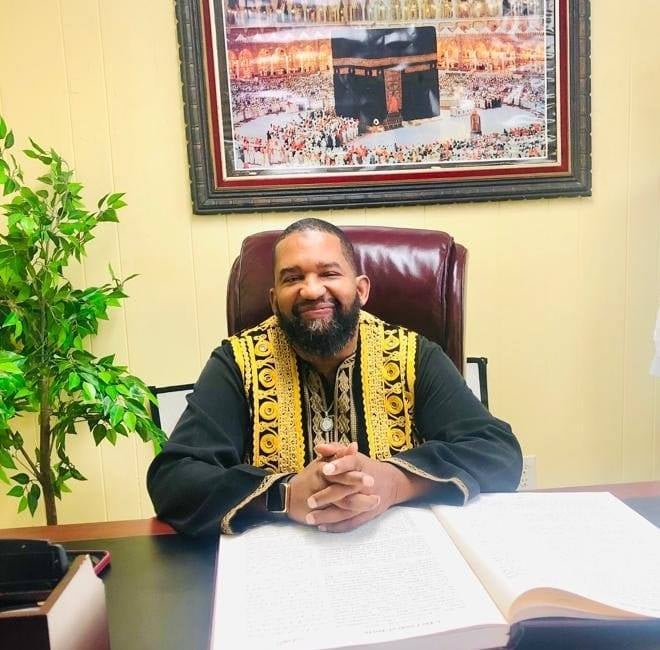
Written by
Imam Tariq Abdur-Rashid
MS, LSW, CPS
Imam Tariq Abdur-Rashid is a Licensed Social Worker, Certified Peer Specialist, and Islamic Teacher & Counselor with decades of experience in addiction recovery, trauma, grief, and spiritual growth. He integrates classical Islamic scholarship with professional clinical training to offer guidance that addresses the whole person — heart, mind, and soul.
Seeking personal guidance?
Imam Tariq Abdur-Rashid offers individual, couples, and family counseling sessions.
Book a SessionCommon Questions
Frequently Asked Questions
What is trauma from an Islamic perspective?
From an Islamic perspective, trauma is not merely the event itself but what remains after the event has passed — the wound that continues to influence how a person thinks, feels, reacts, trusts, loves, fears, and even worships. The Qur'an identifies the heart as the center of human perception, and trauma often leaves its deepest marks there.
Can trauma affect faith?
Yes. A traumatic experience can alter how someone sees themselves and how they see Allah. Some people begin asking "Why did Allah allow this?" or "Am I being punished?" Others continue practicing Islam externally while carrying deep internal confusion. These struggles often indicate unresolved pain rather than weak faith.
Why do I feel distant from Allah after trauma?
Trauma can distort a person's perception of Allah. The wound created by people may unconsciously become projected onto one's relationship with the Creator. Yet Allah says: "And We are closer to him than his jugular vein." (Qur'an 50:16) A believer may feel distant from Allah while Allah remains near. Feelings are real, but they are not always reliable indicators of reality.
Can the heart heal after emotional wounds?
Yes. Ibn al-Qayyim described the heart as something that could become healthy, diseased, weakened, hardened, or healed. Just as physical injuries require treatment, spiritual injuries require treatment as well. The heart that was wounded can heal, the heart that was broken can recover, and the heart that returns to Allah can find a strength it never knew it possessed.
What does Islam teach about suffering and recovery?
Islam teaches that the believer is not protected from suffering — but is protected from suffering becoming meaningless. Recovery means no longer allowing the wound to govern your life and returning the heart to its Creator.
Continue Reading
Related Articles
Trauma & Healing
Can Trauma Affect Your Relationship With Allah?
Sometimes loss does not just break the heart — it shakes the foundations of faith.
Trauma & Healing
Understanding Trauma Through an Islamic Lens
Islam does not ask us to pretend we are not wounded. It asks us to bring our wounds to the One who heals.
Diseases of the Heart
What Is a Diseased Heart?
The Qur'an speaks of the heart more than any other organ. Understanding what it means for the heart to be diseased is the first step toward healing.
Addiction Recovery
Addiction Is a Condition of the Heart
Treating addiction without addressing the spiritual dimension is like treating a fever without addressing the infection.
Addiction Recovery
Shame and Recovery: The Islamic Perspective
Shame is one of the greatest obstacles to recovery. Islam offers a powerful antidote.
Mental Health, Meaning & the Heart
Depression Through an Islamic Lens
Depression is real, it is serious, and it is not a punishment from Allah.