
"Most people prepare for the wedding.
Few prepare for the marriage."
They ask about education. Income. Career goals. Family background. Future plans.
These questions matter. But they are not the questions that determine whether a marriage thrives or struggles.
Marriage is not merely the joining of two people. It is the meeting of two inner worlds. Two histories. Two emotional languages. Two sets of expectations. Two unseen battles. Two hearts.
The reality is that most marital problems do not begin after marriage. They begin long before it.
The Framework
8 Areas to Assess Before Marriage
Before sharing your life with someone, these eight areas deserve careful attention — not because people are perfect, but because patterns become heavier inside marriage, not lighter.
The Inner Narrative
The story the heart carries — formed by childhood, family, and wounds — that silently directs everything.
Emotional Regulation
How a person responds when frustrated, hurt, or corrected. Marriage reveals what comfort conceals.
Attachment Style
How a person learned to trust, connect, and seek comfort. People often marry each other's attachment wounds.
Relationship With Conflict
Whether conflict is seen as a threat or a path to understanding. A preview of the future marriage.
Identity Stability
A person who does not know themselves will lose themselves in another — producing control, jealousy, or dependency.
Capacity for Mercy
The ability to carry another person's imperfections. Mercy becomes visible when affection becomes difficult.
Self-Awareness & Accountability
Can this person say "I was wrong"? Marriage does not create character — it reveals it.
Trauma History
Unhealed wounds speak through behavior — as anger, fear, withdrawal, or control — long after the event has passed.
Marriage Begins Before Marriage
Marriage was never designed to save a person from themselves.
Many people enter marriage carrying unresolved wounds. Childhood trauma. Fear of abandonment. Distorted ideas about love. Unrealistic expectations. Unhealed pain.
Others enter marriage hoping it will solve their loneliness, heal their insecurities, or provide the happiness they have been unable to create for themselves.
But marriage was never designed to save a person from themselves.
﴿وَمِنْ آيَاتِهِ أَنْ خَلَقَ لَكُم مِّنْ أَنْفُسِكُمْ أَزْوَاجًا لِّتَسْكُنُوا إِلَيْهَا وَجَعَلَ بَيْنَكُم مَّوَدَّةً وَرَحْمَةً﴾
"And among His signs is that He created for you spouses from among yourselves that you may find tranquility in them, and He placed between you affection and mercy."
Surah Ar-Rum 30:21
Notice that Allah mentions sakinah — tranquility. Not escape. Not distraction. Not dependency. Not emotional rescue.
Many people seek marriage as an escape from discomfort. Allah describes it as a means of tranquility built upon affection and mercy. Tranquility cannot be built upon chaos that remains unaddressed.
What am I hoping marriage will solve or provide that I have not been able to create for myself?
What fears do I bring into marriage — and where did they come from?
What did love look like in my childhood home?
The 8 Areas You Must Understand Before Marriage
Before sharing your life with someone, there are eight areas that deserve careful attention. Not because people are perfect. But because patterns become heavier inside marriage, not lighter.
The Inner Narrative
Every person enters marriage carrying an internal story. A narrative formed by childhood experiences, family dynamics, past relationships, disappointments, and emotional wounds.
Some carry the belief: "I am not enough." Others believe: "Love always leaves." Others believe: "I must stay in control to be safe." Others believe: "I must earn affection."
These beliefs often operate silently beneath the surface. Yet they influence everything.
القَلْبُ يَحْمِلُ قِصَّةً لَا يَرَاهَا أَحَدٌ، وَلَكِنَّهَا تُوَجِّهُ كُلَّ شَيْءٍ
"The heart carries a story no one sees, yet it directs everything."
If you do not understand the story, you will spend years reacting to the behavior it produces.
What story does my heart carry about love, trust, and relationships?
What beliefs about myself do I operate from beneath the surface?
Emotional Regulation vs. Emotional Reactivity
Marriage eventually places every person under pressure. Pressure reveals what comfort conceals.
A critical question before marriage is: How does this person respond when frustrated, disappointed, hurt, or corrected? Some people shut down. Some escalate. Some withdraw. Some become passive-aggressive. Some become reflective.
«لَيْسَ الشَّدِيدُ بِالصُّرَعَةِ، إِنَّمَا الشَّدِيدُ الَّذِي يَمْلِكُ نَفْسَهُ عِنْدَ الْغَضَبِ»
"The strong person is not the one who overcomes others by force. The strong person is the one who controls themselves when angry."
Bukhari and Muslim
Marriage does not create emotional maturity. It reveals it.
How do I respond when I am frustrated, disappointed, or corrected?
What triggers strong emotional reactions in me — and do I understand why?
Have I observed this person under real pressure, not just in comfortable settings?
Attachment Style
Many people search for compatibility without understanding attachment. Attachment refers to how a person learned to trust, connect, seek comfort, and experience love.
كَيْفَ تَعَلَّقْتَ فِي طُفُولَتِكَ، سَتَطْلُبُهُ فِي زَوَاجِكَ
"How you attached in childhood is what you will seek in marriage."
Childhood trauma often follows people into marriage. What psychologists call attachment wounds frequently appear as fear of abandonment, jealousy, emotional withdrawal, excessive reassurance-seeking, and difficulty trusting a spouse.
People often do not marry each other. They marry each other's attachment wounds.
What did love and trust look like in my childhood home?
Do I show signs of fear of abandonment, emotional withdrawal, or excessive reassurance-seeking?
Relationship With Conflict
Many people fear conflict. Conflict itself is not the problem. Conflict is often the revealer.
بَعْضُهُمْ يَرَى النِّزَاعَ تَهْدِيدًا، وَبَعْضُهُمْ يَرَاهُ طَرِيقًا لِلفَهْمِ
"Some see conflict as a threat, while others see it as a path to understanding."
Ask yourself: Can this person listen? Can they apologize? Can they admit fault? Can they remain respectful when frustrated?
A person's relationship with conflict is often a preview of the future marriage.
See also: Communication and Conflict in Muslim Marriages
When I am in conflict, am I fighting to win or fighting to understand?
Can I apologize genuinely — or does every problem become someone else's fault?
Identity Stability
One of the most overlooked red flags before marriage is an unstable identity.
مَنْ لَمْ يَعْرِفْ نَفْسَهُ، سَيَضِيعُ فِي غَيْرِهِ
"Whoever does not know themselves will lose themselves in another."
People who do not know who they are often become emotionally dependent upon others to provide stability. This can produce control, jealousy, resentment, possessiveness, and emotional dependency.
Marriage should complement identity, not replace it.
Do I have a stable sense of who I am independent of a relationship?
Do I rely on others to regulate my emotions or provide my sense of worth?
Capacity for Mercy
You are not marrying a perfect person. You are marrying a human being. A person with strengths. A person with weaknesses. A person with habits that will occasionally frustrate you. A person who will disappoint you — and whom you will disappoint as well.
الرَّحْمَةُ لَيْسَتْ شُعُورًا فَقَطْ، بَلْ قُدْرَةٌ عَلَى احْتِمَالِ نُقْصَانِ غَيْرِكَ
"Mercy is not just a feeling — it is the capacity to carry another person's imperfections."
This is one reason Allah describes marriage with the word rahmah. Mercy becomes visible when affection becomes difficult.
Have I seen how this person treats others when they are disappointed or let down?
Is there evidence of genuine patience and forgiveness in how they live?
Self-Awareness and Accountability
One of the most important questions before marriage is: Can this person take responsibility?
أَخْطَرُ النَّاسِ فِي الزَّوَاجِ، مَنْ يَجْهَلُ نَفْسَهُ وَيَظُنُّ أَنَّهُ يَعْرِفُهَا
"The most dangerous person in marriage is the one who is unaware of themselves but believes they are self-aware."
A healthy marriage requires accountability. Can this person say: "I was wrong." "I misunderstood." "I hurt you." "I need to improve." Or does every problem become someone else's fault?
Marriage does not create character. It reveals it.
When something goes wrong, do I take responsibility or consistently blame others?
Can I receive honest feedback without becoming hostile or shutting down?
Trauma History
Trauma rarely stays in the past. If it remains unhealed, it often speaks through behavior.
الجُرْحُ إِذَا لَمْ يُعَالَجْ، يَتَكَلَّمُ فِي العِلَاقَةِ بِلِسَانِ الغَضَبِ أَوِ الخَوْفِ
"If a wound is not healed, it will speak in the relationship through anger or fear."
The wound may appear as suspicion, overreactions, withdrawal, control, fear of abandonment, or difficulty trusting. The event may be in the past. Its influence may not be.
See also: Trauma and the Heart and Can Trauma Affect Your Relationship With Allah?
Is there unresolved trauma that is currently speaking through my behavior?
Am I willing to seek help for what I carry?
Three Red Flags to Take Seriously
While no one is perfect, certain patterns deserve serious attention.
Lack of Accountability
The person consistently blames others. Every problem has an external cause. They are never at fault. This pattern does not improve after marriage — it intensifies.
Emotional Instability Without Awareness
The person reacts intensely but lacks insight into why. They cannot explain their own emotional responses. They do not see the pattern even when others do.
Disconnection From Allah Without Concern
The person demonstrates little concern for strengthening their relationship with Allah. Their deen is cultural, not living. When the spiritual foundation is absent, the relational foundation is unstable.
These issues rarely become lighter after marriage. They usually become heavier.
The Spiritual Anchor
The strongest marriages are not built upon chemistry alone. They are built upon two hearts attempting to move toward Allah together.
Perhaps the most important assessment is not psychological. It is spiritual. How does this person relate to Allah? Because beauty changes. Finances fluctuate. Health changes. Life changes. The foundation must be deeper than circumstances.
إِذَا ضَعُفَتْ صِلَتُهُ بِاللَّهِ، اضْطَرَبَتْ صِلَتُهُ بِالنَّاسِ
"When one's connection with Allah weakens, their connection with people becomes unstable."
How does this person relate to Allah in private — not just in public?
Is their deen a living practice or a cultural identity?
The Premarital Inner Assessment Framework
Use these questions as a structured guide — for yourself and for understanding a potential spouse. They are not a pass/fail test. They are a map for honest conversation.
The Premarital Inner Assessment Framework
Inner Narrative
What story does this person carry about love, trust, and relationships?
What beliefs about themselves do they operate from beneath the surface?
Emotional Regulation
How do they respond when frustrated, disappointed, or corrected?
Have I observed them under real pressure — not just in comfortable settings?
Attachment Style
Do they show signs of fear of abandonment, excessive reassurance-seeking, or emotional withdrawal?
How did love and trust function in their childhood home?
Conflict
Can they listen without becoming defensive?
Can they apologize and admit fault genuinely?
Identity
Do they have a stable sense of who they are independent of a relationship?
Do they rely on others to regulate their emotions or provide their sense of worth?
Mercy
Have I seen how they treat people when they are disappointed or let down?
Is there evidence of genuine patience and forgiveness in how they live?
Accountability
When something goes wrong, do they take responsibility or consistently blame others?
Can they receive honest feedback without becoming hostile or shutting down?
Trauma
Is there unresolved trauma that is currently speaking through their behavior?
Are they willing to seek help for what they carry?
Spiritual
How do they relate to Allah in private — not just in public?
Is their deen a living practice or a cultural identity?
These questions are most valuable when explored with a qualified Islamic counselor before marriage.
When These Questions Are Difficult to Answer
Many people discover during the marriage process that they have never examined these areas of themselves. Others discover that they do not know how to assess these areas in a potential spouse.
This is one reason premarital counseling can be so valuable. Islamic premarital counseling helps individuals and couples explore attachment patterns, emotional triggers, communication styles, family influences, expectations, conflict styles, and spiritual compatibility — before those issues emerge inside the marriage.
The Deeper Reality
You are not just choosing a partner — you are choosing who will shape the state of your heart.
Many people believe they are choosing a spouse. In reality they are choosing far more than that. They are choosing a companion for their heart. A witness to their life. A partner in worship. A participant in their growth.
أَنْتَ لَا تَخْتَارُ شَرِيكًا فَقَطْ، بَلْ تَخْتَارُ مَنْ سَيُشَكِّلُ حَالَ قَلْبِكَ
"You are not just choosing a partner — you are choosing who will shape the state of your heart."
Marriage is not merely a test of love. It is a revelation of the true condition of two souls journeying toward Allah together.
- Most marital problems do not begin after marriage. They begin long before it — in unresolved wounds, distorted expectations, and unexamined inner narratives.
- Marriage was never designed to save a person from themselves. Allah describes it as a means of tranquility (sakinah) built upon affection and mercy — not escape.
- The eight inner areas — narrative, emotional regulation, attachment, conflict, identity, mercy, accountability, and trauma — are more predictive of marital health than education, income, or shared interests.
- People often do not marry each other. They marry each other's attachment wounds.
- Marriage does not create emotional maturity or character. It reveals what was already there.
- The three red flags — lack of accountability, emotional instability without awareness, and disconnection from Allah without concern — rarely improve after marriage.
- The strongest marriages are built upon two hearts attempting to move toward Allah together. When that connection weakens, the relational connection becomes unstable.
Considering Marriage?
Premarital Counseling With Imam Tariq Abdur-Rashid
Islamic premarital counseling helps you and your potential spouse explore the inner areas that determine whether a marriage thrives — before those patterns emerge inside the marriage. Sessions address attachment, emotional regulation, conflict styles, family influences, expectations, and spiritual compatibility.
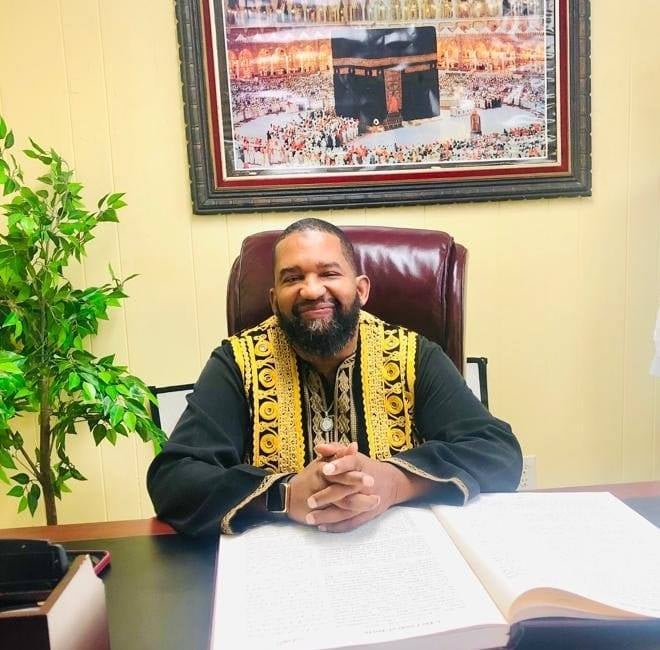
Written by
Imam Tariq Abdur-Rashid
MS, LSW, CPS
Imam Tariq Abdur-Rashid is a Licensed Social Worker, Certified Peer Specialist, and Islamic Teacher & Counselor with decades of experience in addiction recovery, trauma, grief, and spiritual growth. He integrates classical Islamic scholarship with professional clinical training to offer guidance that addresses the whole person — heart, mind, and soul.
Seeking personal guidance?
Imam Tariq Abdur-Rashid offers individual, couples, family, and premarital counseling sessions.
Book a SessionCommon Questions
Frequently Asked Questions
What questions should Muslims ask before marriage?
Questions should explore character, emotional maturity, attachment patterns, conflict style, family influences, spiritual commitment, and life expectations — not merely education, income, or career goals. The eight inner areas outlined in this article are the ones that most determine whether a marriage thrives or struggles.
What are red flags before marriage in Islam?
Consistent lack of accountability, emotional instability without self-awareness, dishonesty, controlling behavior, unresolved trauma, and disconnection from Allah without concern are among the most significant red flags. These issues rarely become lighter after marriage — they usually become heavier.
Can childhood trauma affect marriage?
Yes. Childhood trauma often influences attachment patterns, trust, conflict responses, fear of abandonment, emotional regulation, and intimacy. If it remains unhealed, it often speaks through behavior — appearing as suspicion, overreactions, withdrawal, control, or difficulty trusting a spouse.
What is Islamic premarital counseling?
Islamic premarital counseling combines practical relationship assessment with Qur'anic guidance, helping couples understand emotional, psychological, and spiritual dynamics before marriage. It explores attachment patterns, emotional triggers, communication styles, family influences, expectations, conflict styles, and spiritual compatibility.
How do I know if someone is emotionally mature enough for marriage?
Emotionally mature individuals take responsibility, regulate emotions, accept feedback, communicate honestly, and remain respectful during disagreement. The Prophet ﷺ said: "The strong person is not the one who overcomes others by force. The strong person is the one who controls themselves when angry." (Bukhari and Muslim)
Continue Reading
Related Articles
Marriage & Relationships
Communication and Conflict in Muslim Marriages
How we fight reveals the condition of our hearts far more than how we behave when things are easy.
Trauma & Healing
Trauma and the Heart
Trauma is not the event itself — it is what remains after the event has passed.
Trauma & Healing
Can Trauma Affect Your Relationship With Allah?
For many believers, the deepest wound of trauma emerges in an unexpected place: their relationship with Allah.
Marriage & Relationships
The Spiritual Foundation of Marriage
When the spiritual foundation of a marriage is strong, the couple has the resources to navigate almost anything.
Mental Health, Meaning & the Heart
Depression Through an Islamic Lens
The very word depression suggests something being pressed down. What is doing the pressing?
Grief, Loss & Suffering
Why Does Allah Allow Suffering?
This is one of the oldest questions human beings have ever asked. The Islamic tradition offers a profound answer.