
The tradition of Islamic spirituality identifies specific stations — maqamat — through which the believer passes on the journey toward Allah. Each station has its own demands, its own gifts, and its own tests.
The classical scholars of Islamic spirituality — figures like al-Ghazali, Ibn al-Qayyim, and al-Harith al-Muhasibi — did not describe the spiritual journey in vague terms. They mapped it with precision, identifying specific stations (maqamat) and states (ahwal) through which the sincere believer passes.
The stations are not a rigid hierarchy that every person moves through in exactly the same order. But they do represent a general progression — a map of the interior life that can help a person understand where they are and what the next step looks like.
"Return to your Lord, well-pleased and pleasing to Him." — Qur'an 89:28
Tawbah — repentance — is typically identified as the first station, and for good reason. Before any spiritual progress is possible, a person must turn away from what is pulling them away from Allah and turn back toward Him. Tawbah is not a one-time event but a continuous orientation — a constant returning.
From tawbah, the journey moves through stations like wara' (scrupulousness — being careful about what one consumes and engages with), zuhd (detachment from the world — not rejecting it but not being enslaved by it), sabr (patience — the capacity to endure difficulty without losing one's orientation toward Allah), and shukr (gratitude — the recognition that everything is a gift).
Further along the path are stations like tawakkul (reliance on Allah — genuine trust that He is in control and that His plan is better than our own), rida (contentment with what Allah has decreed), and mahabbah (love of Allah — the station in which the heart finds its deepest rest).
Understanding these stations is not merely academic. It is practical. A person who knows that they are in the station of tawbah knows what their primary work is. A person who recognizes that they are struggling with tawakkul knows what they need to address. The map does not walk the road for you — but it helps you know where you are.
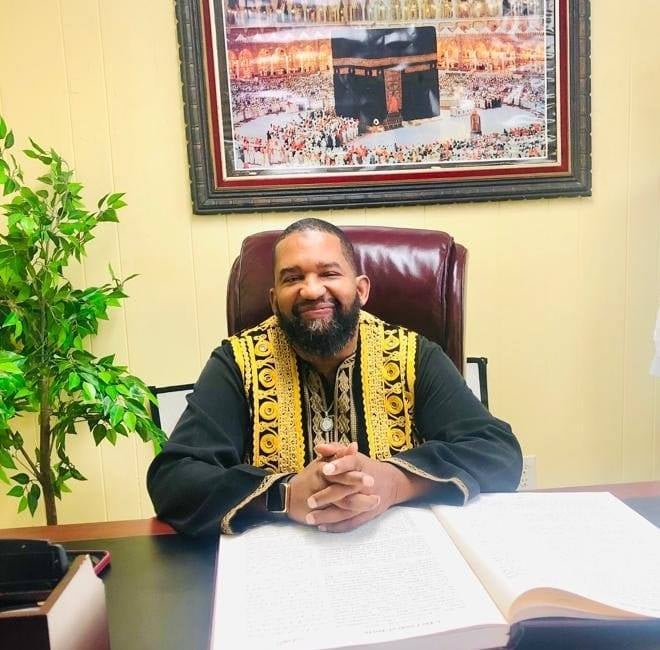
Imam Tariq Abdur-Rashid
MS, LSW, CPS
Licensed Social Worker, Certified Peer Specialist, and Islamic Teacher & Counselor with decades of experience in addiction recovery, trauma, grief, and spiritual growth.
Learn moreSeeking personal guidance?
Imam Tariq Abdur-Rashid offers individual, couples, and family counseling sessions.
Book a SessionContinue Reading