
The Prophet ﷺ was known for giving his full attention to whoever spoke to him. In an age of distraction and quick answers, this quality of listening is both rare and profoundly healing.
One of the most consistent things people say after receiving guidance from Imam Tariq Abdur-Rashid is some version of: "He actually listened." This is not a small thing. In a world saturated with opinions, advice, and quick fixes, the experience of being genuinely heard is increasingly rare — and increasingly necessary.
The prophetic model of guidance was not primarily one of pronouncements and prescriptions. It was one of presence. The Prophet ﷺ was described as giving his full attention to whoever spoke to him — turning his whole body toward them, not just his face. He did not interrupt. He did not rush to conclusions. He listened until he understood.
"Whoever believes in Allah and the Last Day, let him speak good or remain silent." — Prophet Muhammad ﷺ (Bukhari & Muslim)
This quality of listening is not merely a therapeutic technique. It is a form of respect — an acknowledgment that the person in front of you is a full human being whose experience deserves to be understood before it is addressed.
In Islamic counseling, listening serves several purposes. It builds the trust necessary for honest disclosure. It allows the counselor to understand not just the presenting problem but the deeper condition of the heart. And it communicates to the person seeking help that they are not simply a problem to be solved but a soul to be cared for.
Many people who come for guidance have never had the experience of being fully heard. They have been given advice, told what to do, quoted hadith, and sent on their way — without anyone taking the time to understand what they are actually experiencing. The result is that they leave with information but without healing.
True Islamic guidance begins with listening. Not passive listening, but active, attentive, compassionate listening that seeks to understand the person's condition before offering any response. This is the prophetic model. It is also, not coincidentally, what the research on effective counseling consistently identifies as the most important factor in therapeutic outcomes.
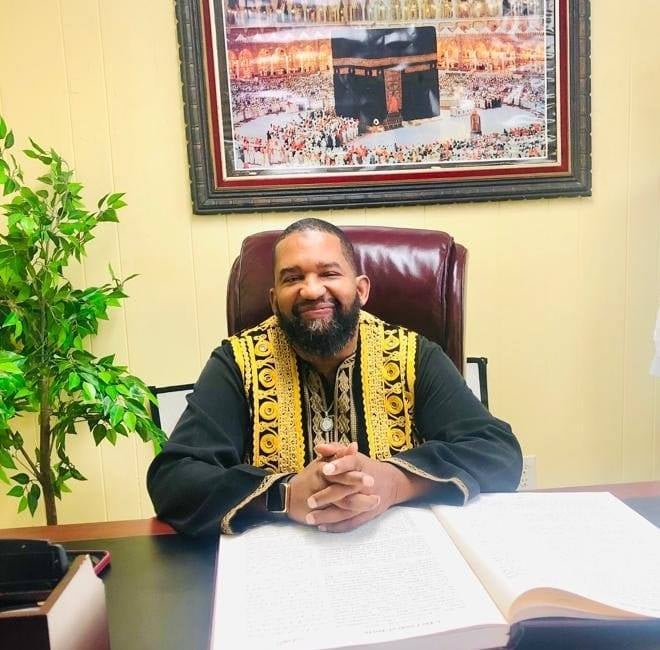
Imam Tariq Abdur-Rashid
MS, LSW, CPS
Licensed Social Worker, Certified Peer Specialist, and Islamic Teacher & Counselor with decades of experience in addiction recovery, trauma, grief, and spiritual growth.
Learn moreSeeking personal guidance?
Imam Tariq Abdur-Rashid offers individual, couples, and family counseling sessions.
Book a SessionContinue Reading